Fijian Village Etiquette: What do I need to know?
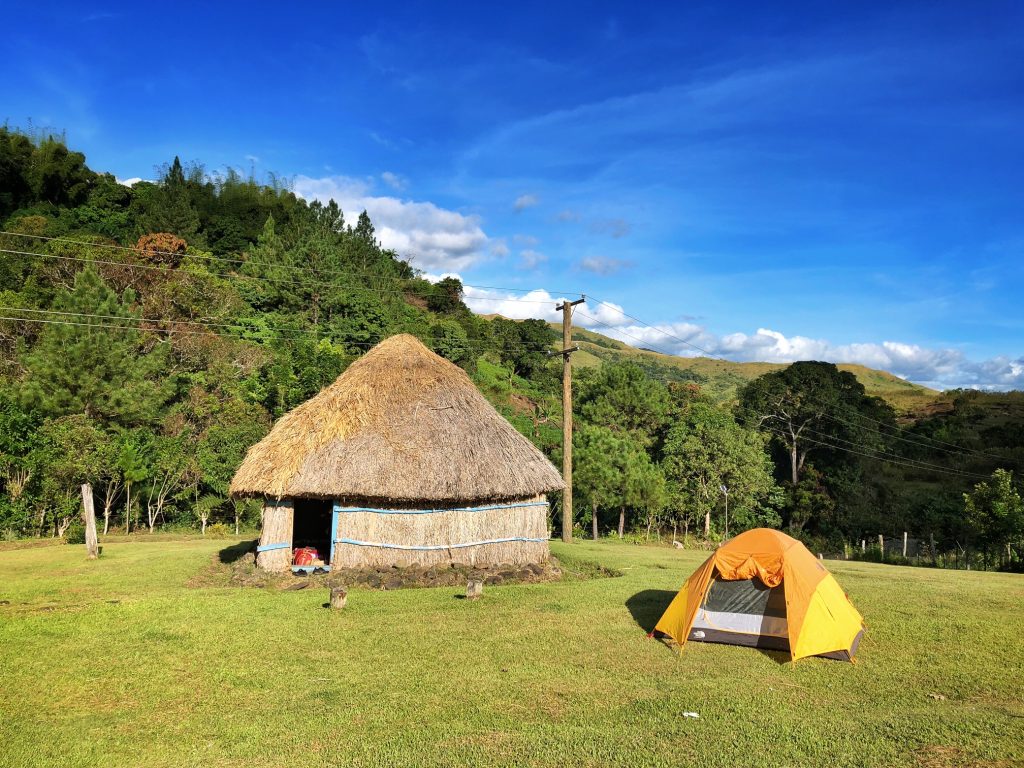
The heart of Fiji lies in its tradition, culture and community. On our hikes, we want to give our guests the chance to experience rural life in Fiji. Stepping into these close-knit rural communities unveils a rich cultural tapestry where etiquette isn’t just a set of rules but a window into the Fijian way of life. From the custom of Sevusevu (formal permission to enter a village) to the art of the Meke (traditional style of dance), every gesture and tradition holds significance, weaving the colourful narrative of the Fijian heritage. This article details a few simple things you should know before visiting a village community in Fiji.
- How to dress
It is respectful to cover your bare shoulders and legs when visiting a Fijian village therefore a sarong (a wrap around piece of material) or ‘sulu’ as we say in Fiji will definitely come in handy. Be sure to pack this in your day pack to wear as you enter villages to cover your legs to just above your ankles. You can also use your sulu to keep the sun off your head, as a towel (although it is quite thin) and even a pillow. Be sure to let us know if you don’t have a sulu as we will provide one for you. Another thing to note is never wear a hat or anything on your head while you are in a village as this is considered disrespectful.
- The Sevusevu ceremony
The Sevusevu is a traditional protocol that serves as formal permission to be accepted into the village that usually takes place in the community hall. A bundle of dried yaqona root, the typical offering, is presented by your matanivanua (spokesperson) to the turaga ni koro (village head). His responsibility involves welcoming you and understanding your purpose of entering the village before introducing you and presenting the offering to the chiefs and the elders of the village.
Before you enter a Fijian household or village community hall, it’s important to remember to take your shoes off (you can keep your socks on). It is generally advised to sit down as soon as you enter and don’t stand up indoors unless you need to. It is polite to stoop or crawl if you do need to move around indoors. If you are presented with a bowl of kava, it is polite to drink the first one. Cobo (clap with cupped hands) once, take the bilo (bowl), drink the entirety of the kava and cobo three more times after returning the bowl to whom it was served to you. After the first round of kava has gone around, the ceremony comes to an end as the drinking continues with a talanoa session. You will likely be asked to introduce yourself.
- Don’t be shy
Village communities are very close-knit and people often say a greeting to every person they pass. Fijians are very friendly so don’t be shy and embrace their warmth by giving them a big smile and saying ‘Bula!’ (hello). Feel free to strike up conversation, talk to the locals and meet your community guides as more often than not they want to know about you too! That being said, please be respectful when snapping photos in the village – be sure to ask for permission.
- Mind the noise
Keep in mind that you are a visitor and should be mindful of your surroundings. To maintain the peacefulness of the village, engage in conversation softly and be respectful of the people and place you are visiting. Disruptive noise is seen as disrespectful to the tranquillity of the community. At the same time, be prepared for noises you’re less familiar with – the beat of the lali (drum) or roosters crowing – at unexpected times.
- Enjoy the experience!
Be sure to embrace the Fijian village lifestyle and make the most out of your experience! When visiting villages it is important to understand that it isn’t a tourist attraction, it is a way of life. The local community is gracious to welcome you into their home, feed you local delicacies and share what their everyday life is like. Soak it all in and enjoy the peacefulness of Fiji’s scenic highlands.
Keep in mind that this is just a general guide and if you have any questions be sure to ask your trip leaders or email us at [email protected].