
Recommended longer itineraries
If you’re keen to fit more hiking in around our trip please find a selection of our favourites that complement your time with us well.
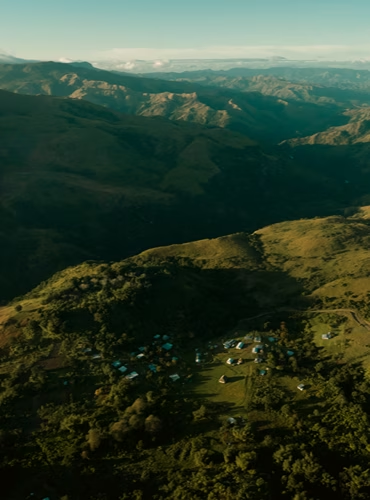
Southern Viti Levu
In summary: Climb Batilamu, a distinctive peak, visit the Sigatoka Sand Dunes, see Suva and then head inland on your Highland Escape
Most visitors arrive into Nadi, and depending on what time you land you may be able to fit in a climb of Mount Batilamu on your first day, descending the same day or the following morning by overnighting at the hut on top.
It is possible to do this independently by hiring transport to Abaca village and making the necessary payments to the village office, or by booking a guided hike with Peni Dovi who is an experienced guide and will make arrangements on your behalf. https://www.facebook.com/toursbylocalsfijiwithpenidovi/
If you’d like to see the capital city Suva, travelling along the Southern Coast of Viti Levu, (also known as the Coral Coast) with stops at the Sigatoka Sand Dunes (1-2 hour hikes) and the Tavuni Hill Fort (up to 1 hour walks) followed by lunch in Korotogo or Pacific Harbour is a full day. The drive from Nadi to Suva is 3.5 hours.
Suva is an interesting city and easy to stroll around independently or with a guide. Colo-i-Suva is a forest park just outside Suva (1-2 hour hikes) and could be hiked the morning you start your Highland Escape.
Southern Viti Levu / Coral Coast
Day 1: Mount Batilamu. Overnight Nadi or Sigatoka.
Day 2: Sigatoka Sand Dunes / Tavuni Hill Fort. Overnight Suva.
Day 3: Morning walking tour of Suva or Colo-i-Suva. Highland Escape departure after lunch.
Days 3-5: Highland Escape
Day 6: Departure Day
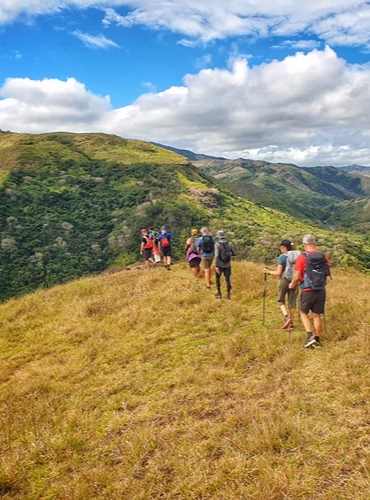
Northern Viti Levu
3 days / 2 nights
In summary: Escape the crowds by heading North, hike to a spectacular waterfall, climb Fiji’s highest mountain and stay in interior communities on our Highland Escape. Squeeze in another peak or the sand dunes before departing.
If you’d rather take roads less travelled heading straight up the Fiji’s Suncoast on the northern-eastern tip of Viti Levu makes for a quieter alternative to the Coral Coast.
From the Suncoast, the short hike (90 minutes each way) from Nabalesere village to the Savulelele waterfall is a must-do hike in the area as the waterfall is one of the most spectacular in the country.
Tomaniivi (Fiji’s highest mountain) is most easily reached from the Suncoast. We can add this on to our Highland Escape trip with an early start (6am) on the first day.
You can choose to be dropped in Nadi or Sigatoka at the end of the Highland Escape to fit in another hike at the Sigatoka Sand Dunes or of Mount Batilamu at the end of your week – or stay another day and do both!
Northern Viti Levu / Suncoast
Day 1: Travel to the Suncoast / Rakiraki. Overnight Suncoast.
Day 2: Nabalesere village and the Savulelele waterfall. Overnight Suncoast.
Day 3: Mount Tomaniivi. Overnight Naga village on the Highland Escape.
Days 3-5: Highland Escape
Day 6: Sigatoka Sand Dunes or Mount Batilamu
Day 7: Departure Day
Ocean Time
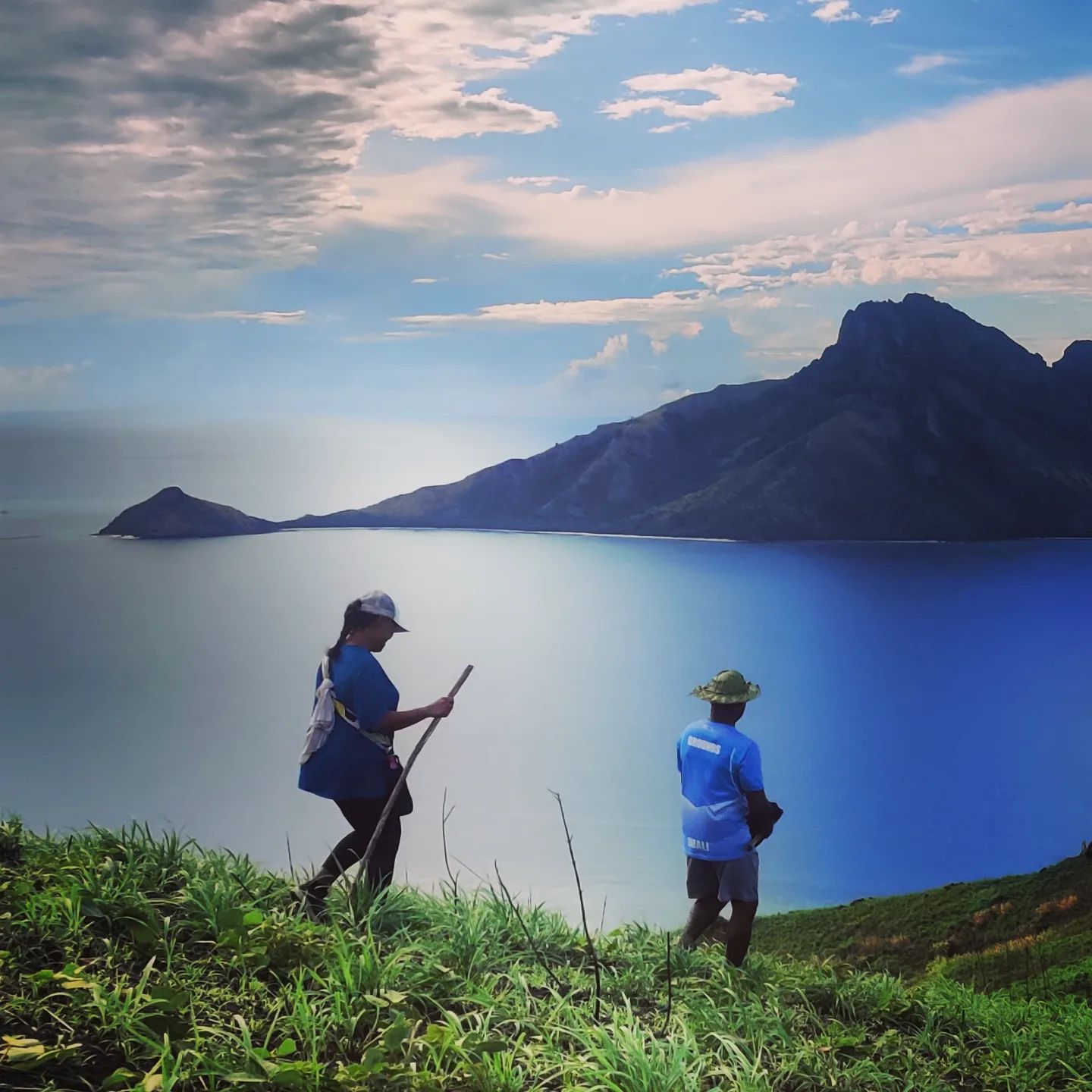
If you can, we would strongly recommend adding on at least a few days in the Yasawa Islands – Fiji is renowned for its beautiful islands for a reason. Whilst the ocean will be a key focus for your time in the Yasawas, there are also some great hikes to be done. Snorkelling from Barefoot Manta and learning about their efforts in coral restoration and manta research are experiences not to be missed, especially if the mantas are around.
Two of our favourites hikes in the Yasawas are the hike over Wayasewa from Barefoot Kuata, and the peak hike on Waya from Octopus Resort, but most islands have a walk option available through wherever you stay.
Visit Taveuni
If you’re keen to see more of Fiji, head up to Taveuni on a domestic flight from Nadi or Suva.
The Lavena coastal path is a beautiful coastal track within the Bouma Heritage Park. The Tavoro waterfall is also stunning and very accessible. Climb up all three tiers for a more challenging hike. The birders among you will also want to seek out a specialist birding guide to take you up Devouex peak to look for the endemic Silktail and the Orange Dove.
You can fit Taveuni in first by flying straight to Taveuni from Nadi airport when you land and then from Taveuni to Suva to join our pick up for the Highland Escape.
Packing
This is not an exhaustive list and is an aid to common sense! We do not expect you to go out and buy all these things new. They’re general items we recommend you either bring, pack an alternative to or consciously disregard.
Etiquette
When you’re visiting or staying in a Fijian village there are some important rules for you to remember so that you are being respectful of Fiji’s history and culture.
Tips
Some tips to make your trip more enjoyable and rewarding
The starting points for this itinerary are Suva, Nadi or the Suncoast. The drive times to our partner villages are similar from all three places as we’re heading into the middle of Viti Levu, Fiji’s largest island.
Nadi is the main tourism hub with access out to the Mamanuca and Yasawa islands and is where you will likely fly into. Coming to Suva will give you an opportunity to explore the hub of the South Pacific, a bustling place, with cafes, restaurants and a bit of culture (have a browse round the Fiji Museum and a beverage of your choice at the refurbished Grand Pacific Hotel). Alternatively, resorts tucked away on the Suncoast are laid back, great for diving, and will minimise your driving time.
The ending point is anywhere from Nadi to Sigatoka to Suva along the south coast of Viti Levu.
Our itineraries are designed for hikers. While they cover a variety of levels of difficulty, they are enjoyed most by people with a good level of fitness who hike regularly. The visit to Nabalesere and their waterfall is within most people’s ability. The track is 1.5km each way, with some up and down, but no time pressure. All the other walks are more strenuous. Longer days should leave you feeling satisfyingly tired after a good day’s hiking with a sense of achievement. The challenge of walking in Fiji comes from the heat, humidity, remoteness and the nature of the tracks, which are not constructed paths, are uneven, and can become muddy and slippery. If you don’t exercise regularly, we’d recommend getting out on the trail before you come to Fiji, as you’ll enjoy your trip with us all the more!
Footwear
Approach or trail shoes are ideal for Fiji conditions. But trainers/runners with a good grip or other walking shoes will do. Avoid stylish trainers with no grip! Paths can be slippery and muddy – especially after rain. We will also be crossing small creeks and some larger rivers, and you will get your feet and up to your knees wet! We recommend keeping your shoes on at all times, whether you’re crossing a river or even swimming.
Other clothing
Most people wear a lightweight t-shirt (quick-dry, collared t-shirts are ideal) and a pair of shorts for walking, but if you want to protect your shins from grass cuts, then trousers, long socks (stylish!) or exercise leggings are highly recommended. If you have a lightweight raincoat/pac-a-mac, it’s worth carrying it in case we get caught in a shower… it won’t keep you dry, but it’ll keep the wind out. We also strongly recommend you bring a hat to keep the sun off your head.
Although the piped water in the villages is drunk by the locals, to reduce the chance of any problems we strongly recommend you only use only filtered, treated, or boiled water. We carry a supply of filtered water in our vehicles and we have installed Lifestraw Community filter systems at each overnight for refilling bottles. Lemon-leaf and lemongrass tea, using boiled water, is in plentiful supply in the villages, and with a bit of sugar added makes for a good energy drink!
In Fiji, you need to carry and be drinking a lot of water. How much will depend on the length of the walk, the heat, humidity, your own personal fitness, and how much you naturally sweat. However, you should be prepared to carry at least 2 litres of water, in your day pack and ensure you have enough carrying capacity. In case of urgent need there are opportunities to replenish water bottles on some of the walks from side streams, using our filter or purifying tablets. We recommend a 2 to 3-litre capacity water reservoir/bladder, so you can sip away during hikes, or lightweight refillable bottles, plus an additional smaller bottle to mix electrolytes or for the car journeys. Taking on board electrolytes on a hot day can make a big difference.
Please note that drinking alcohol is not allowed in Fijian villages
Dinner and breakfast are provided by the villages. On this trip, you are responsible for your packed lunches and snacks to keep you fuelled during the hikes. Please let us know if you have any dietary requirements before your trip. There are no shops or stores once we leave the coast.
Check out our FAQs and if there’s anything you can’t find the answer to, please just drop us a line via the Enquiry Form or email [email protected].